Yang Sheng: Eastern Longevity Rituals for Daily Balance
Yang Sheng is the Eastern art of daily longevity. Learn the simple rituals for sleep, food, movement, and seasonal living that support healthy aging.
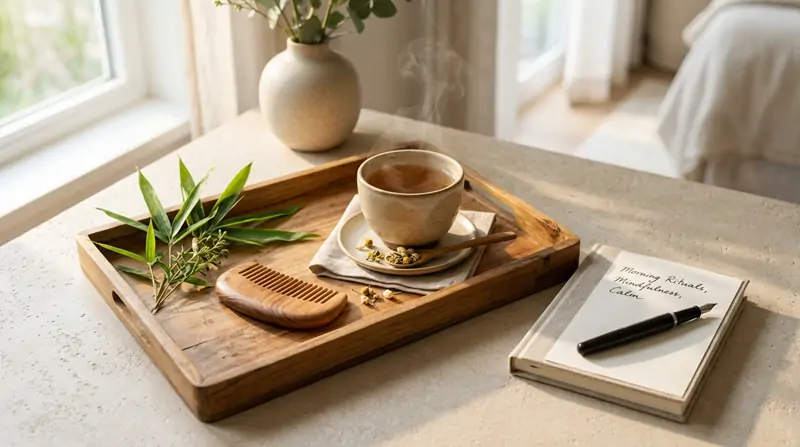
Yang Sheng is the classical Chinese term for nourishing life. It is not a single practice or a strict regimen. It is the art of arranging ordinary days so that sleep, food, movement, and seasonal change support your energy instead of draining it.
What Yang Sheng actually means
The phrase combines yang, to nourish, and sheng, life. Classical texts describe it as prevention: adjusting daily habits before illness appears. The emphasis is on rhythm rather than intensity. A short walk after dinner, a warm breakfast in winter, and a consistent bedtime matter more than an occasional extreme detox.
Four rituals that carry the practice
1. Sleep with the dark
Go to bed at a similar time each night and dim the lights in the last hour. In winter, sleep a little earlier. In summer, it is natural to wake earlier. This rhythm supports the nervous system more than any supplement.
2. Eat warm, cooked food at the main meal
Eastern medicine favors cooked vegetables, soups, and gentle proteins because they are easier to transform into energy. This does not mean never eating salad. It means making warm food the center of the plate, especially in cold weather or during stressful weeks.
3. Move gently and often
Walking, stretching, tai chi, and yoga support circulation without exhausting the body. The best movement is the one you can repeat on a busy day. Ten minutes daily is more useful than a two-hour session once a month.
4. Change with the season
Autumn calls for moisture and lung support, winter for warmth and rest, spring for lighter foods and movement, summer for cooling hydration. Our autumn tea recipes show how this looks in practice.
A simple daily routine
- Morning: warm water, daylight, and a cooked breakfast.
- Midday: a short walk after lunch and a cup of green or chrysanthemum tea.
- Afternoon: goji or rose tea instead of a second coffee.
- Evening: a warm dinner, dim lights, and five minutes of slow breathing.
Yang Sheng and modern longevity research
The language is ancient, but the themes overlap with modern healthy aging: stable blood sugar, good sleep, regular movement, stress recovery, and social connection. Our articles on 10 Eastern longevity hacks and 20 evidence-based longevity habits translate those themes into specific actions.
FAQ
Do I need herbs to practice Yang Sheng?
No. Herbs are supportive, not essential. Sleep, food, and rhythm come first. A simple tea can be a useful reminder to slow down.
How long before I notice a change?
Most people notice better sleep and digestion within two to four weeks of consistent habits. Give the routine time before adding more.
Common mistakes
Two extremes undermine Yang Sheng. The first is overstimulation: late nights, intense exercise, and constant screens. The second is rigidity: following a strict rule even when the body needs rest. The practice asks for attention, not perfection.
A weekly rhythm
Choose one anchor habit for each day: a warm breakfast on Monday, a walk after lunch on Wednesday, an early night on Friday. Repeat the same anchors for four weeks before adding more. This is how small changes become automatic.
Go deeper: This article is part of the Eastern Longevity Guide. For stress recovery, see how to reset your nervous system.
Disclaimer: This article is for educational purposes only and is not medical advice. Herbal remedies can interact with medications and are not suitable for everyone. Consult a qualified healthcare professional before changing your diet, supplements, or treatment.