Anti-Aging Tea in Seattle: A Local Wellness Guide
A local guide to anti-aging tea in Seattle: how weather, screen time, and stress affect skin, where to buy quality herbs, and a simple daily tea routine.
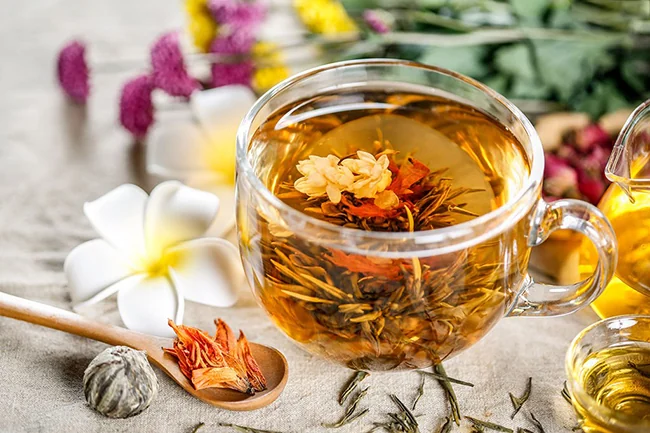
Seattle is a beautiful place to live, but it asks a lot of your skin. Months of cloud cover, indoor heating, long screen hours, and a short daylight window can leave the complexion dull and tired. Anti-aging tea is not a cure, but it is a practical daily ritual that supports hydration, digestion, and circulation.
Why Seattle skin needs a different routine
Low sunlight does not mean low skin stress. Indoor heating dries the air, while rain and wind can irritate the surface. Many people also spend long hours in front of screens, which strains the eyes and contributes to a tired look. The Eastern approach is to support the body from the inside: warm drinks, cooked food, and gentle circulation.
What anti-aging tea can and cannot do
Tea can support hydration, antioxidant intake, and digestion. It cannot replace sleep, sun protection, or medical care. Think of it as one layer of a routine. The most useful teas are the ones you will actually drink consistently.
Best teas for a Seattle routine
- Goji berry: nourishing and gentle, good for daily use. See our goji berry tea guide.
- Chrysanthemum: cooling and traditionally used for eye strain after screen time. See the chrysanthemum guide.
- Rose bud: supports mood and circulation, useful on gray days.
- Jasmine green tea: light caffeine and a bright aroma for dark mornings.
Where to buy anti-aging tea in Seattle
Local options include Asian grocery stores in the Chinatown-International District and specialty tea shops around Capitol Hill and Ballard. Buy whole dried flowers and berries when possible, check the aroma, and avoid packages with dust or clumping. Online stores are convenient, but choose sellers with clear sourcing and recent stock. Our anti-aging tea buying guide explains what to look for.
A simple Seattle daily routine
- Morning: jasmine green tea with breakfast and ten minutes of daylight, even on a cloudy day.
- Midday: a short walk, even in light rain, to support circulation.
- Afternoon: goji and chrysanthemum tea after screen-heavy work.
- Evening: rose tea, a warm dinner, and dim lights.
FAQ
Do I need a local tea shop?
No. Quality and freshness matter more than location. A reputable online seller with good turnover is often better than a dusty local shelf.
Can tea replace sunscreen?
No. Tea supports general wellness, but sun protection and sleep are still essential for skin aging.
A note on seasonal light
Seattle winters are dark, and low light affects mood, sleep, and skin recovery. Use a daylight lamp in the morning if you wake before sunrise, spend ten minutes outside at midday, and consider vitamin D testing with your clinician. Tea is a comfort, not a substitute for light.
How to build the habit
Keep the tea where you can see it, next to the kettle or coffee maker. Pair it with an existing routine: tea while the coffee brews, tea after lunch, tea before bed. The habit sticks when it is attached to something you already do.
Go deeper: This article is part of the Anti-Aging Tea Guide. For recipes, see 8 anti-aging tea recipes.
Disclaimer: This article is for educational purposes only and is not medical advice. Herbal remedies can interact with medications and are not suitable for everyone. Consult a qualified healthcare professional before changing your diet, supplements, or treatment.